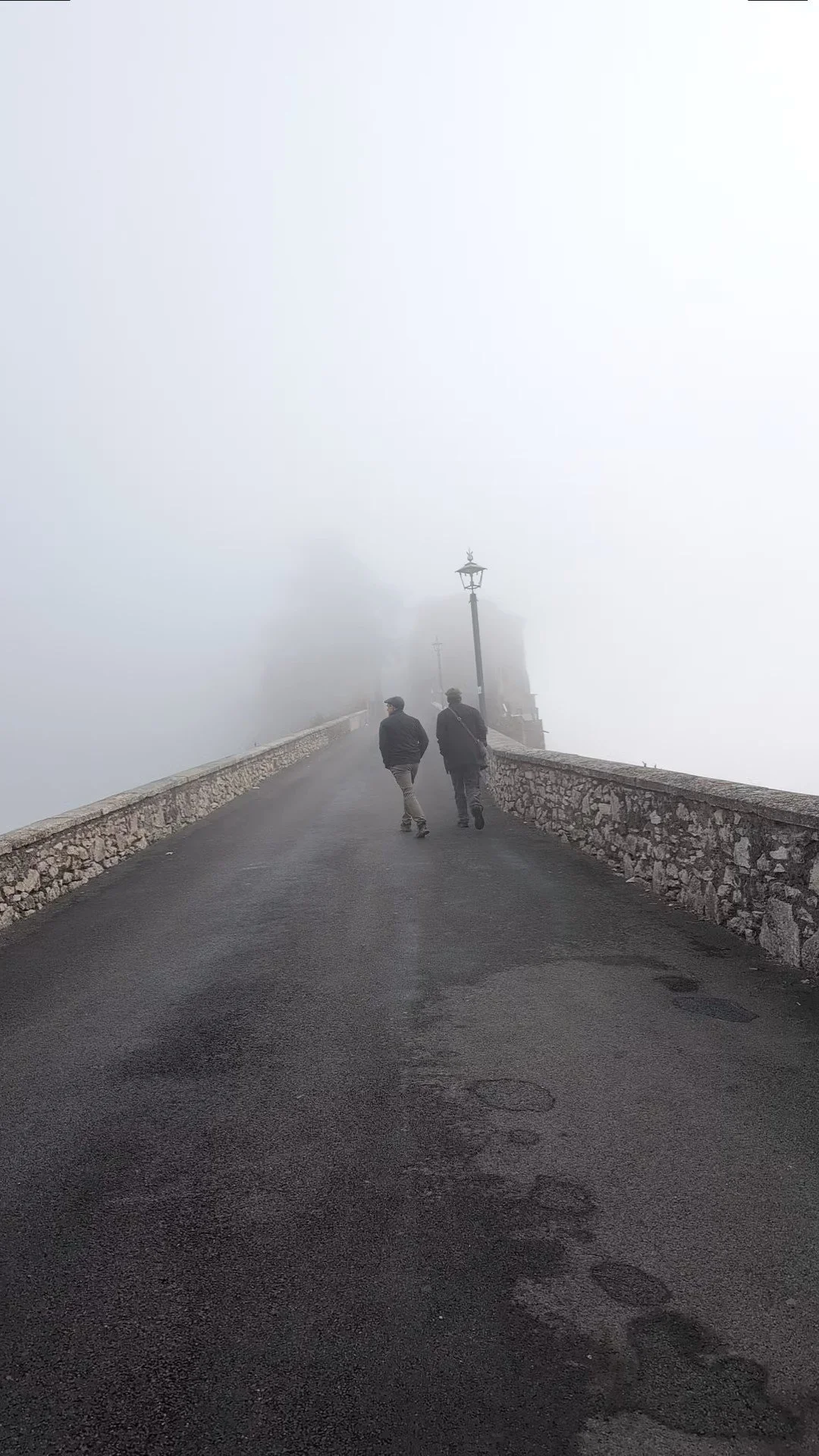
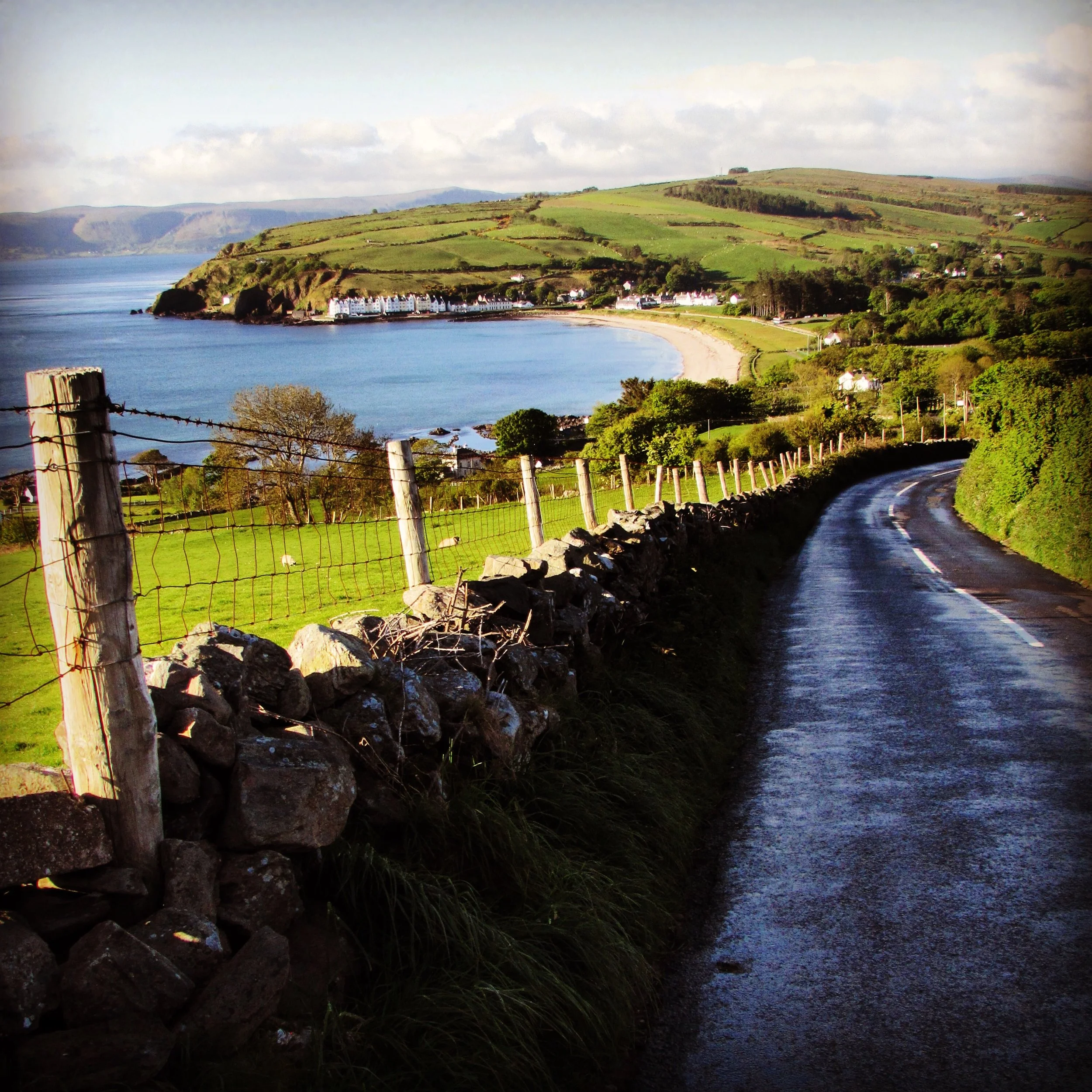
Old Places with an Old Friend
/My old friend John was visiting Italy this week, and we carved out a good chunk of time for the two of us to explore a few ancient places near our home town of Soriano nel Cimino. We went to a few places that Zeneba doesn’t want to go to - either because it’s a scramble up and down muddy paths, or it’s a tunnel so far underground that she fears imminent collapse - despite having held up for millennia.
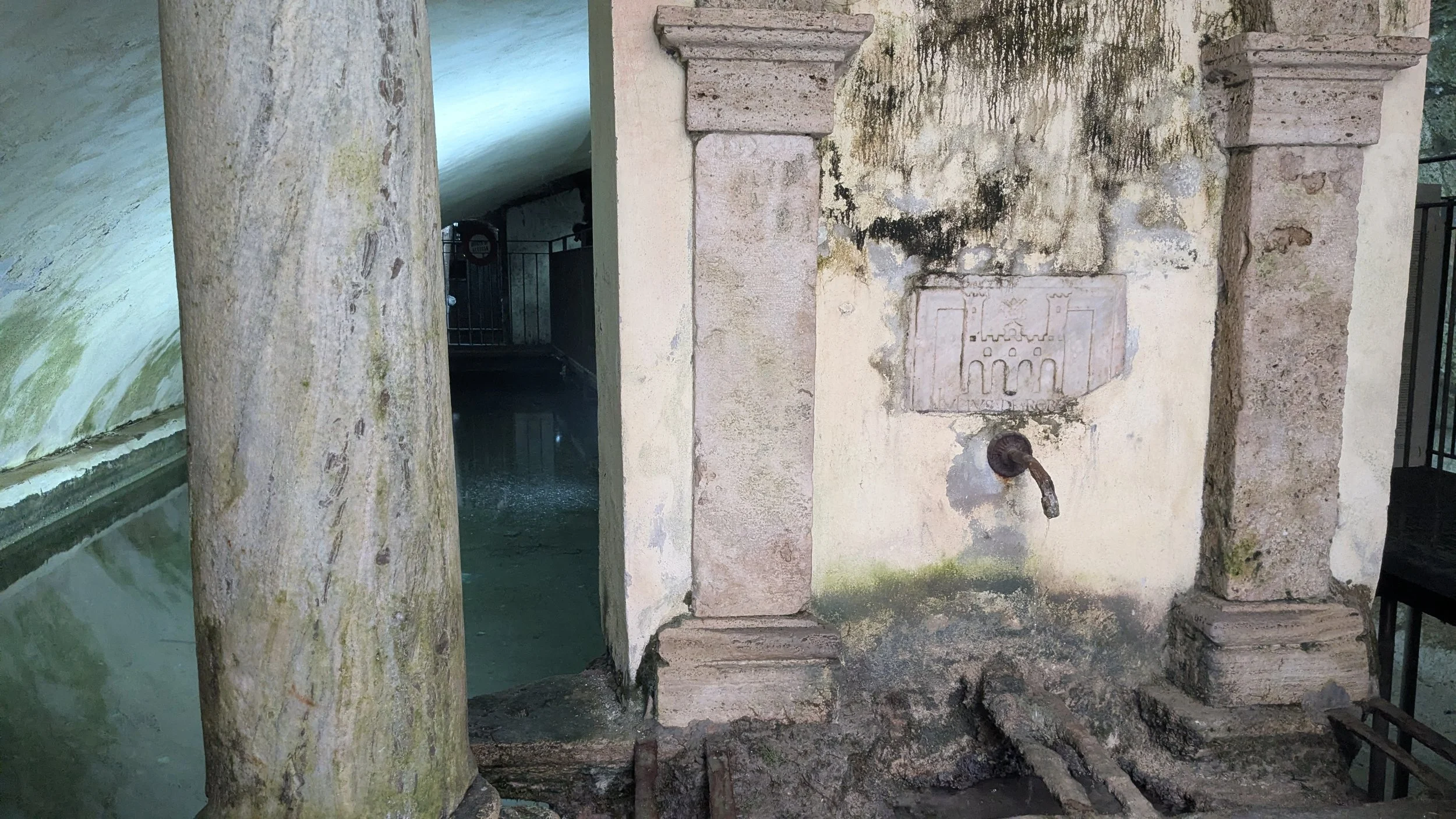
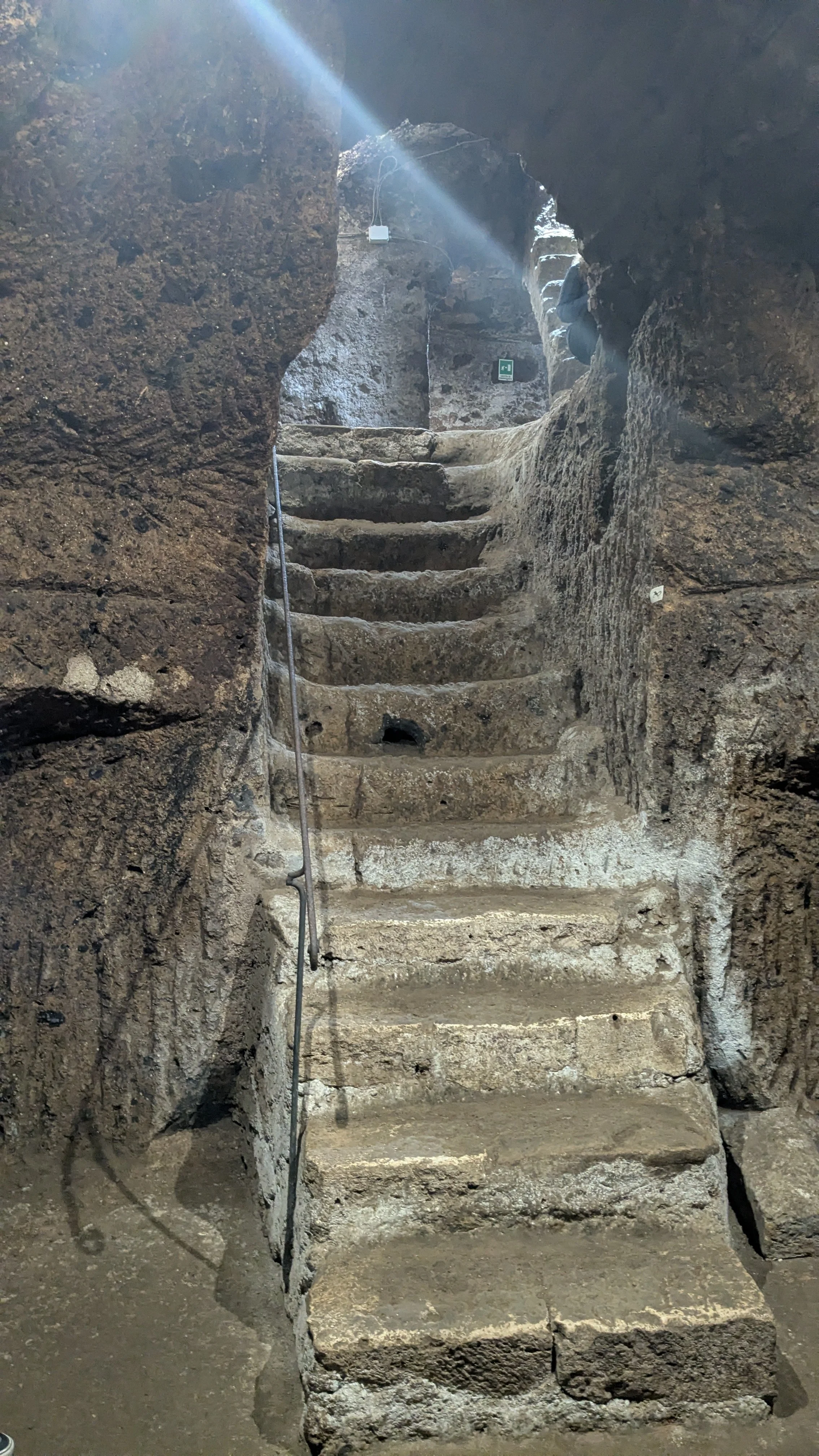
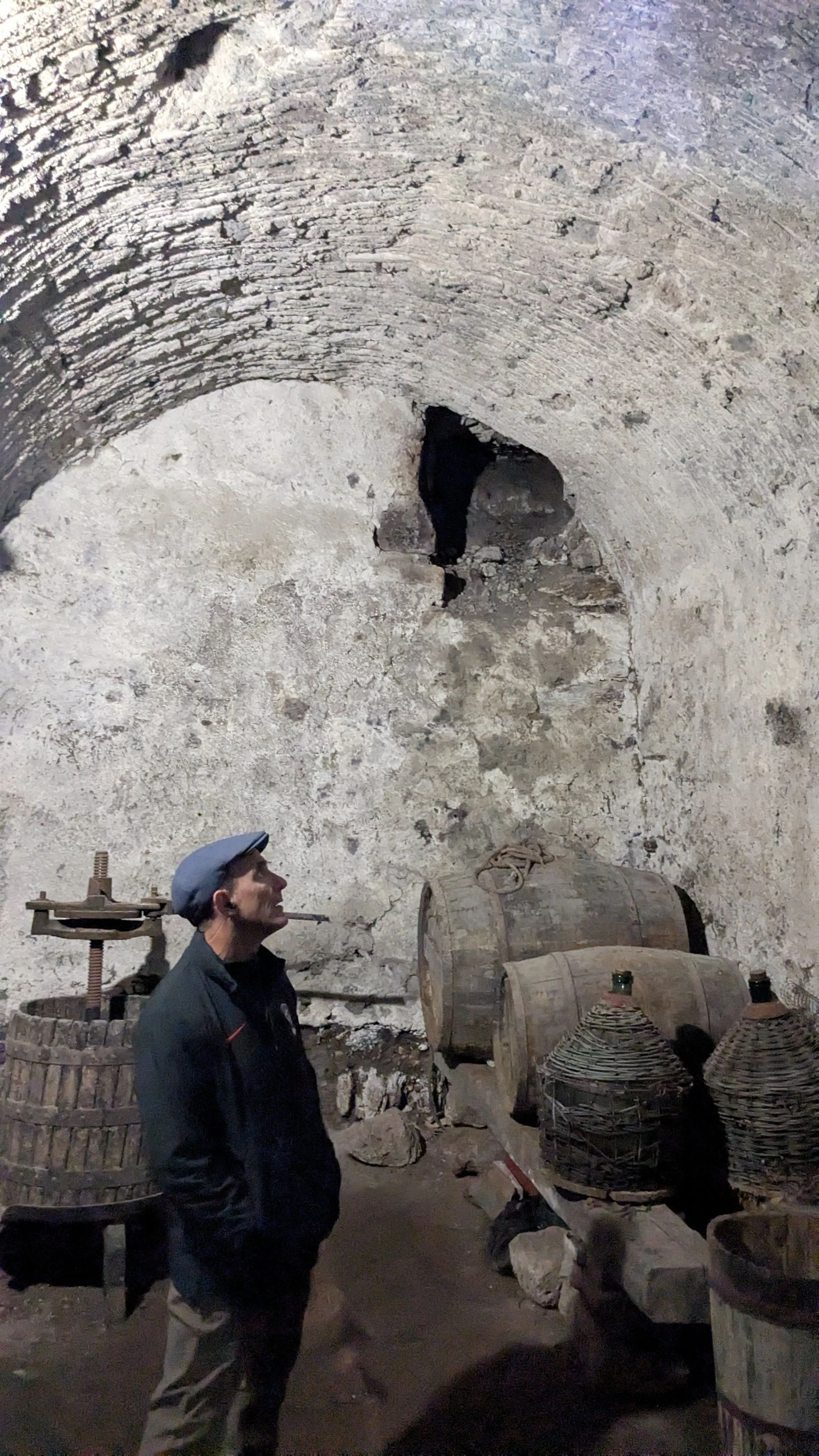
The first stop was the “Orte sotteranea” - the subterranean Etruscan and Roman aqueduct beneath the city of Orte. The visit begins in a medieval water house in the historic centro, but quickly delves into the stone underneath the town. The spaces are narrow and short - we had to crouch for much of the walk. This was a major juncture for the Romans’ water supply two thousand years ago - and the Romans themselves built their system on earlier tunnels carved into the stone by the Etruscans, five centuries earlier.
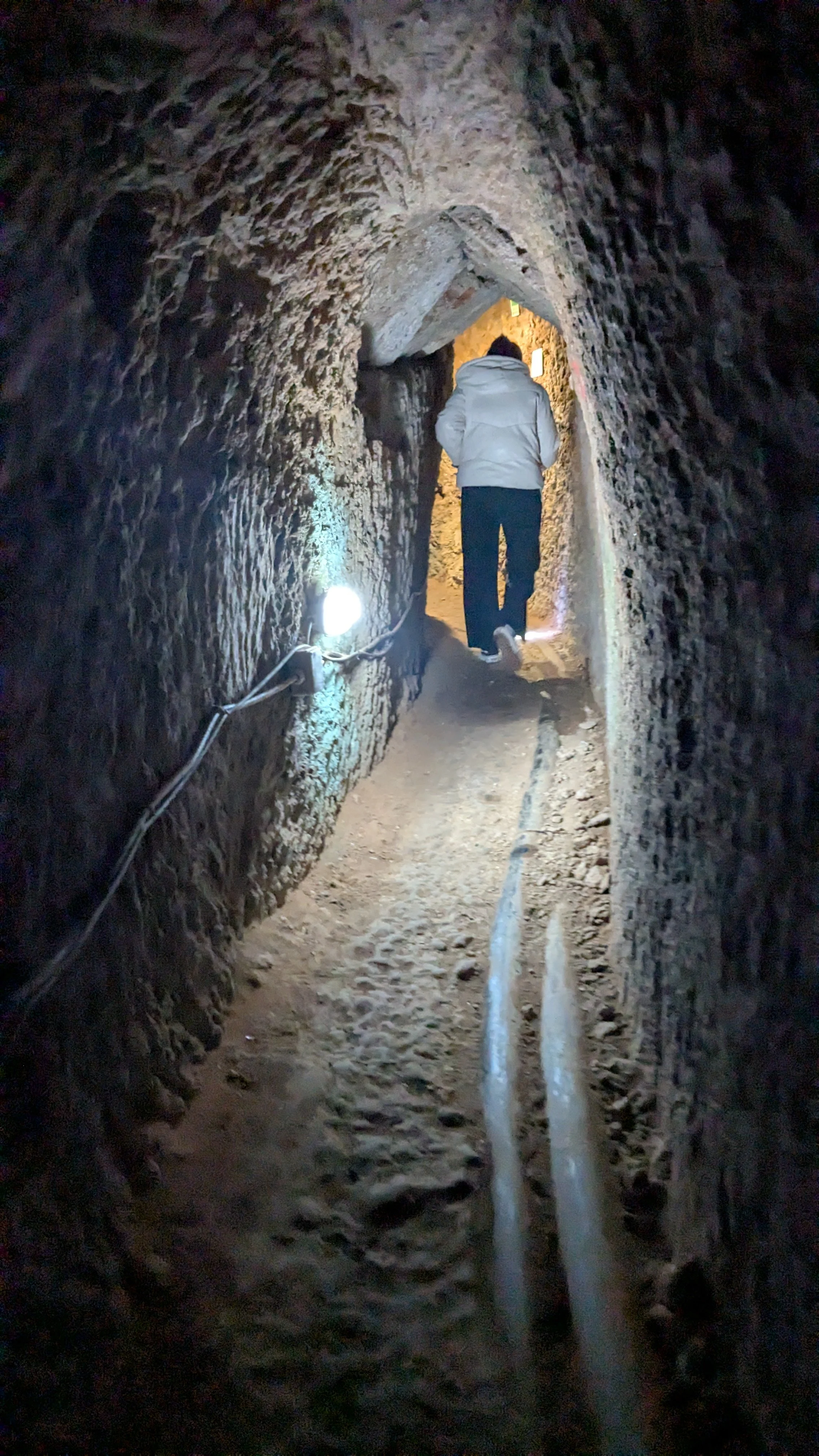

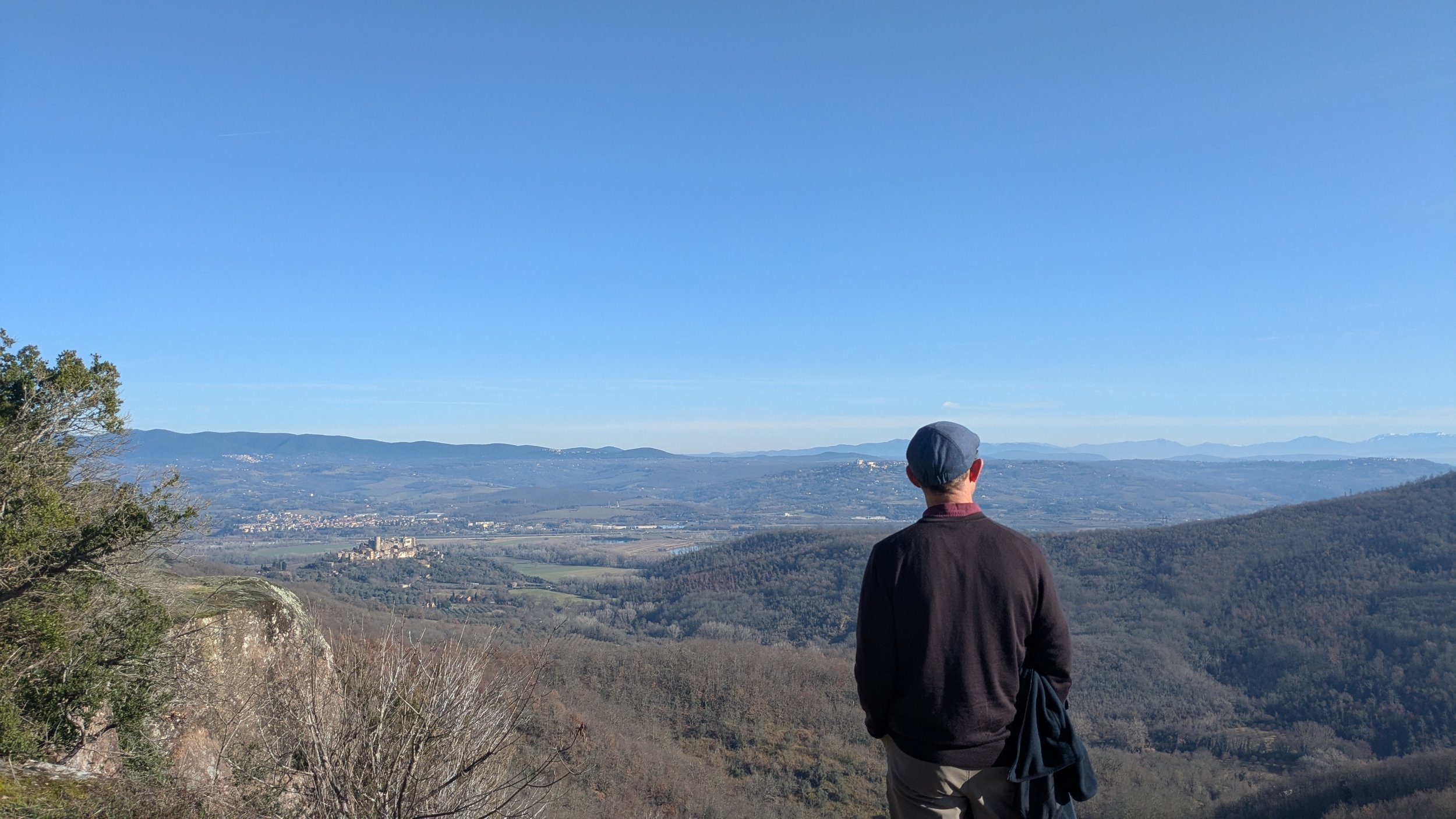
The next day we took a walk in the woods near Bomarzo, to see the Etruscan site now known as Santa Cecilia - named for the medieval church that was built over the ancient city and its burial niches. Alas, a poor choice at a path juncture led us away from the site - so we’ll need to save that site for a future visit - but we did work our way to a panoramic cliff overlook, with views of the tiny cliff town of Mugnano and the entire Tevere Valley.
Then we made our way to the bottom of the cliff into the woods there - not rock-climbing or rappelling, but scrambling down a narrow (and slippery!) ravine path to the forest floor below. On the way down are Etruscan dwellings carved into the cliffs, the remnants of a 3000-year-old settlement.
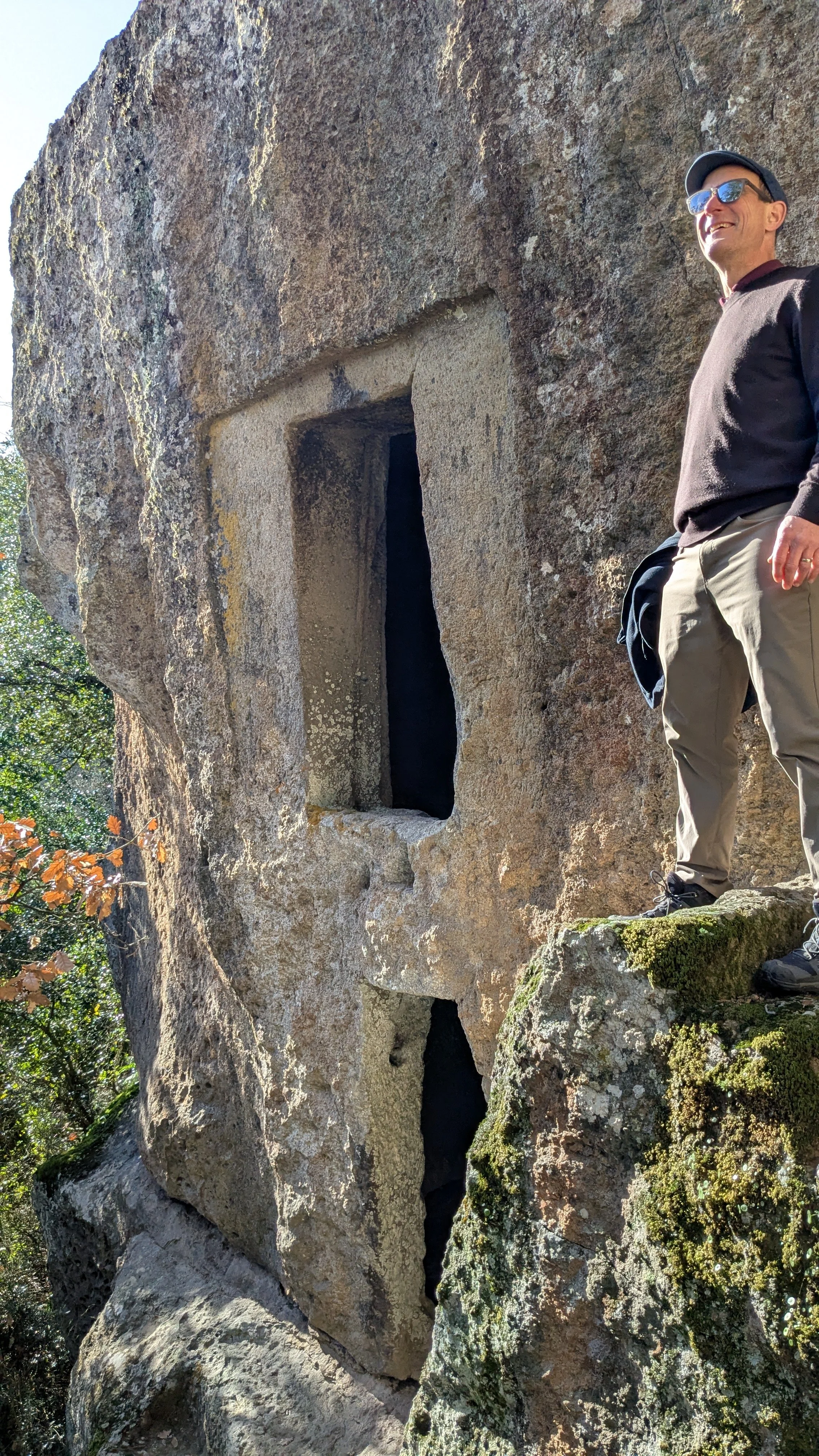
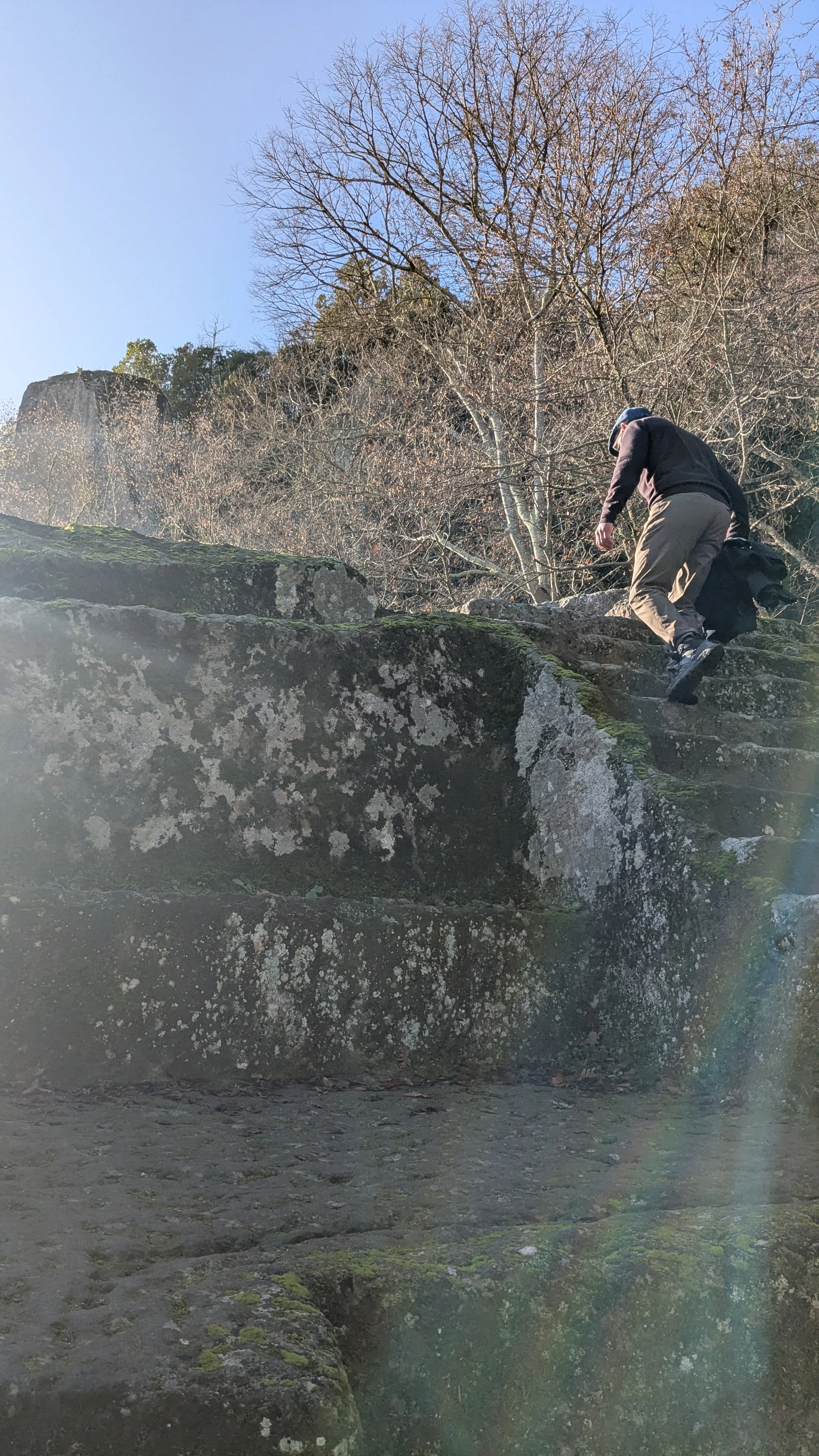
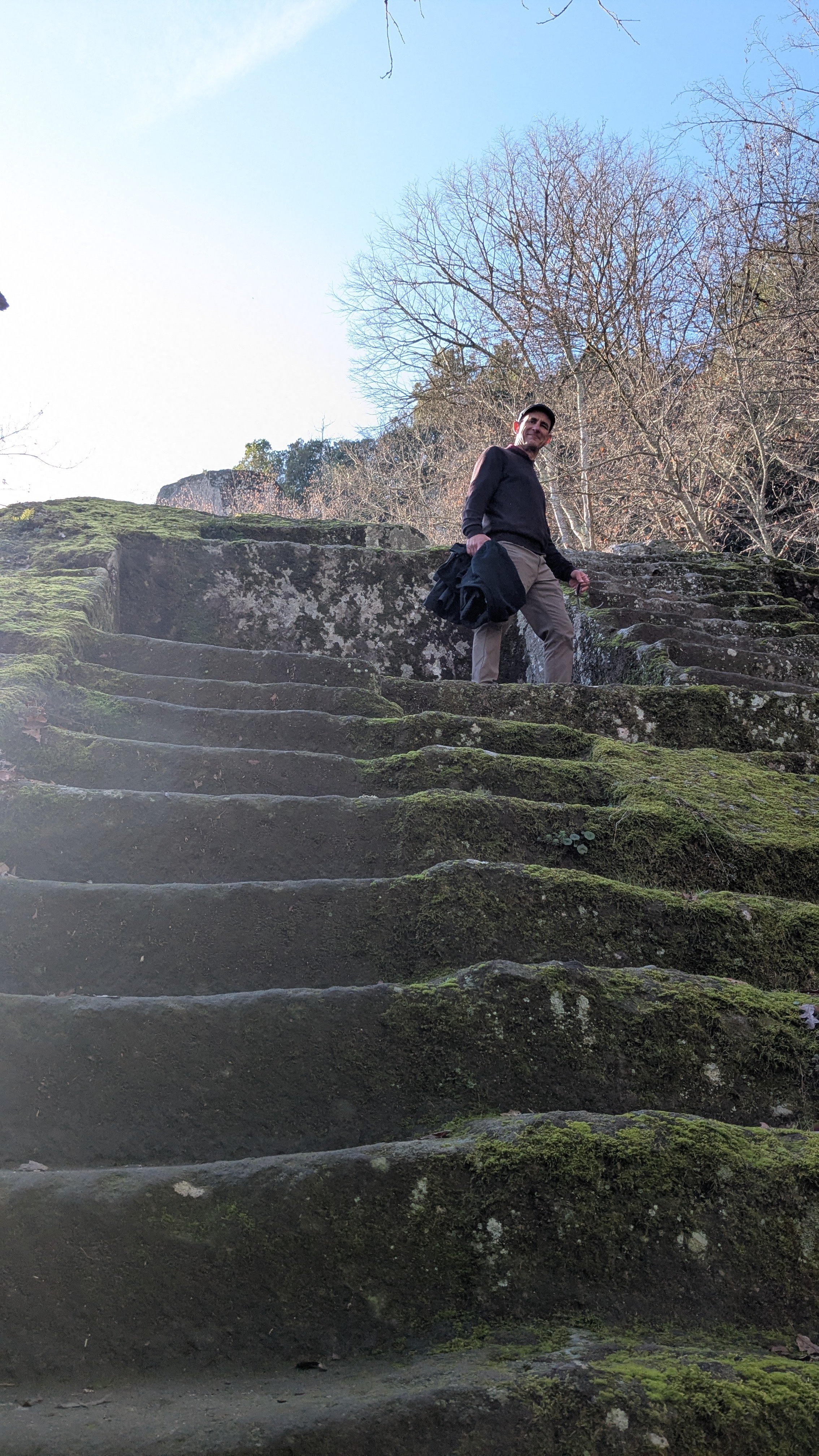
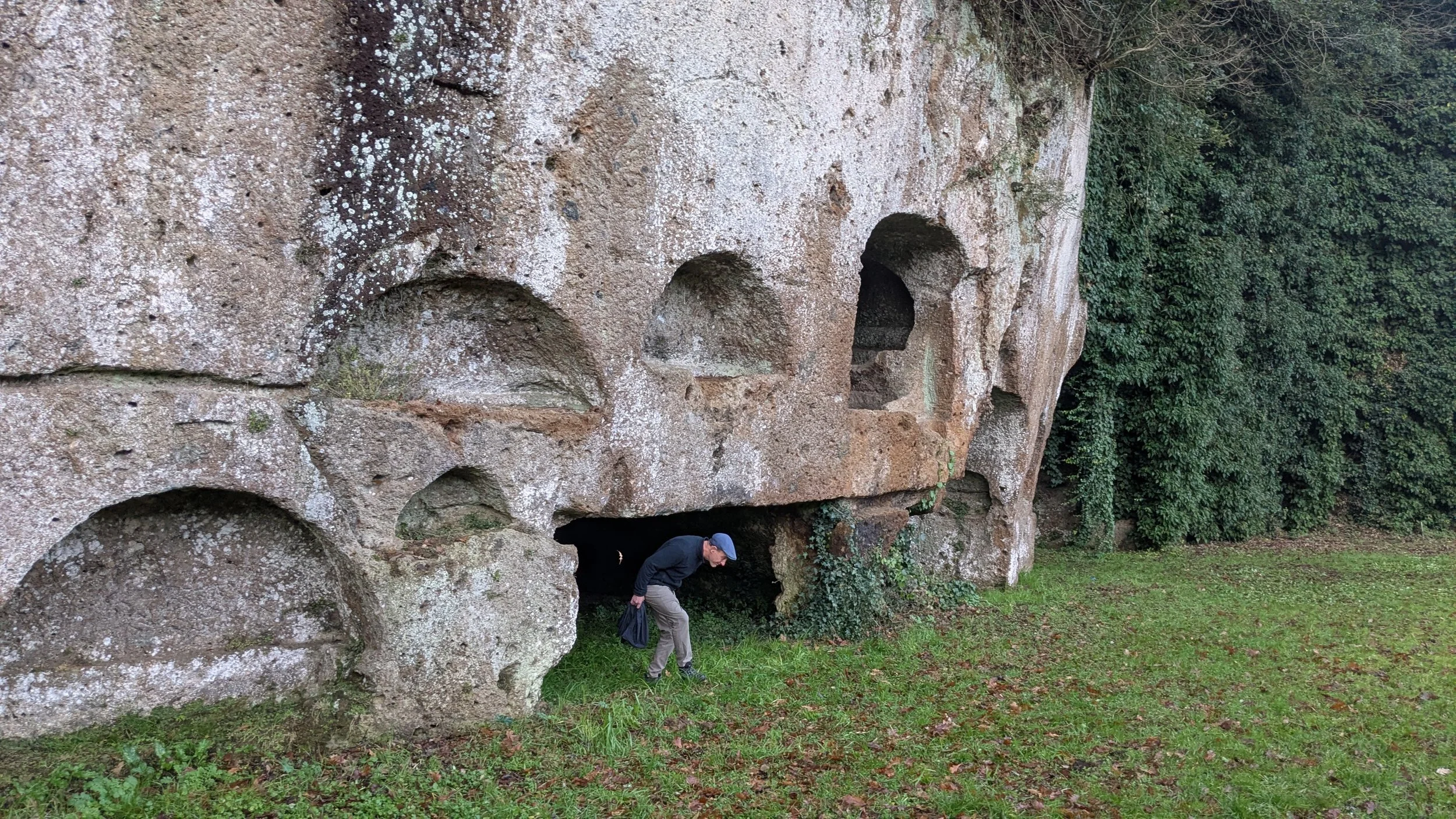
At the base of the cliffs, we came to the Piramide Etrusco - not a pyramid like Giza, but a towering boulder carved with steps and niches from bottom to top. This structure was only re-discovered a couple of decades ago - it was covered and hidden by trees and undergrowth for centuries. Archaeologists believe that the Etruscans used this giant stone as a ceremonial altar. The climb up to the top of the altar was not hard, but the immensity and timelessness of the position weighed heavy on the psyche.
When we got back to Soriano, we still had work to do - that evening John and I recorded a podcast episode, discussing (among many other things) why we knew each other and how we’ve been in such close contact after so many decades. Though on a far smaller scale (compared to the Etruscans!), the two of us chatting together felt like another kind of timelessness.
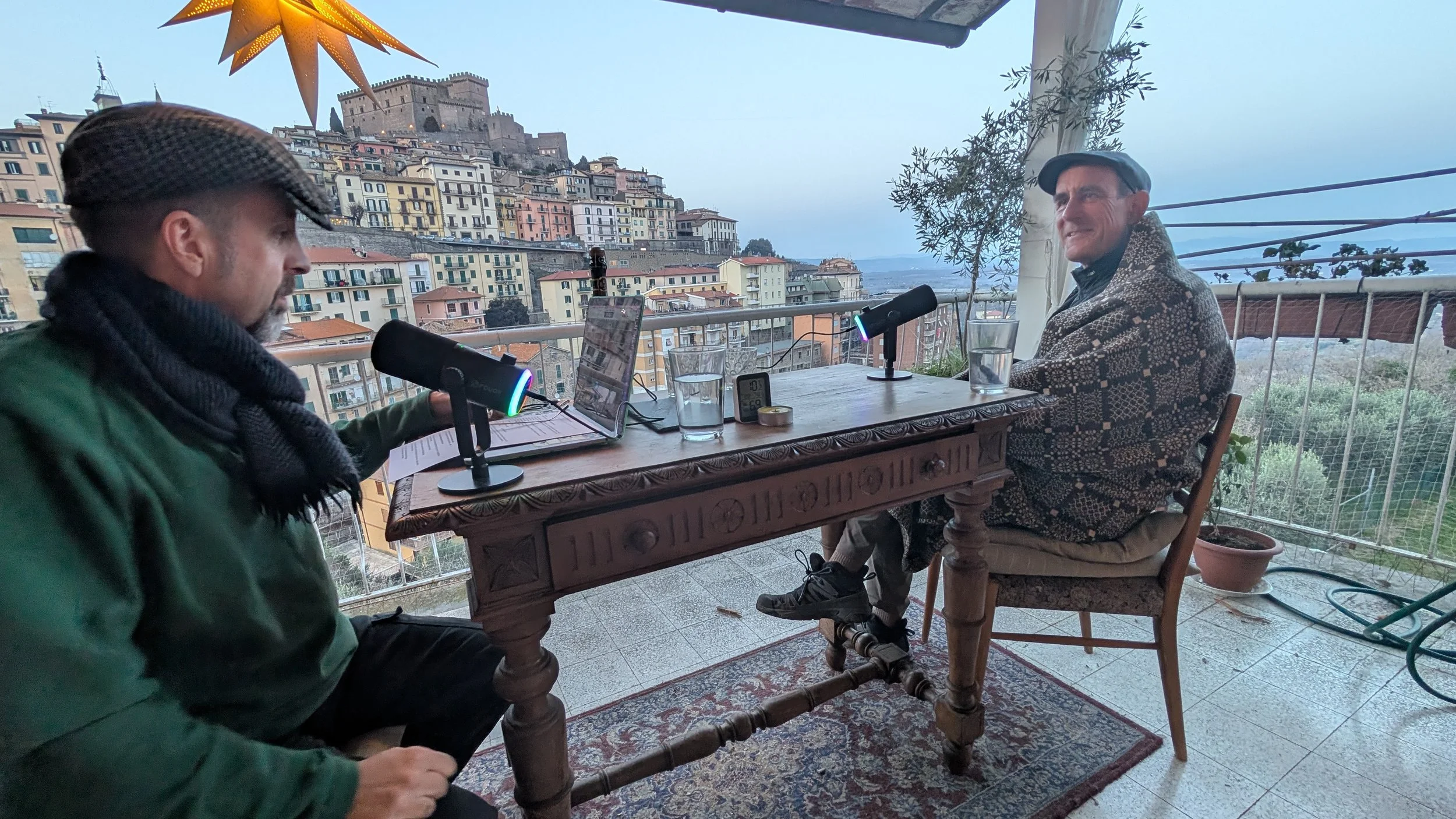
[That episode will be live the last week of January - you can find all the episodes of our podcast here: Little Roads Unfiltered - Italy and Beyond]
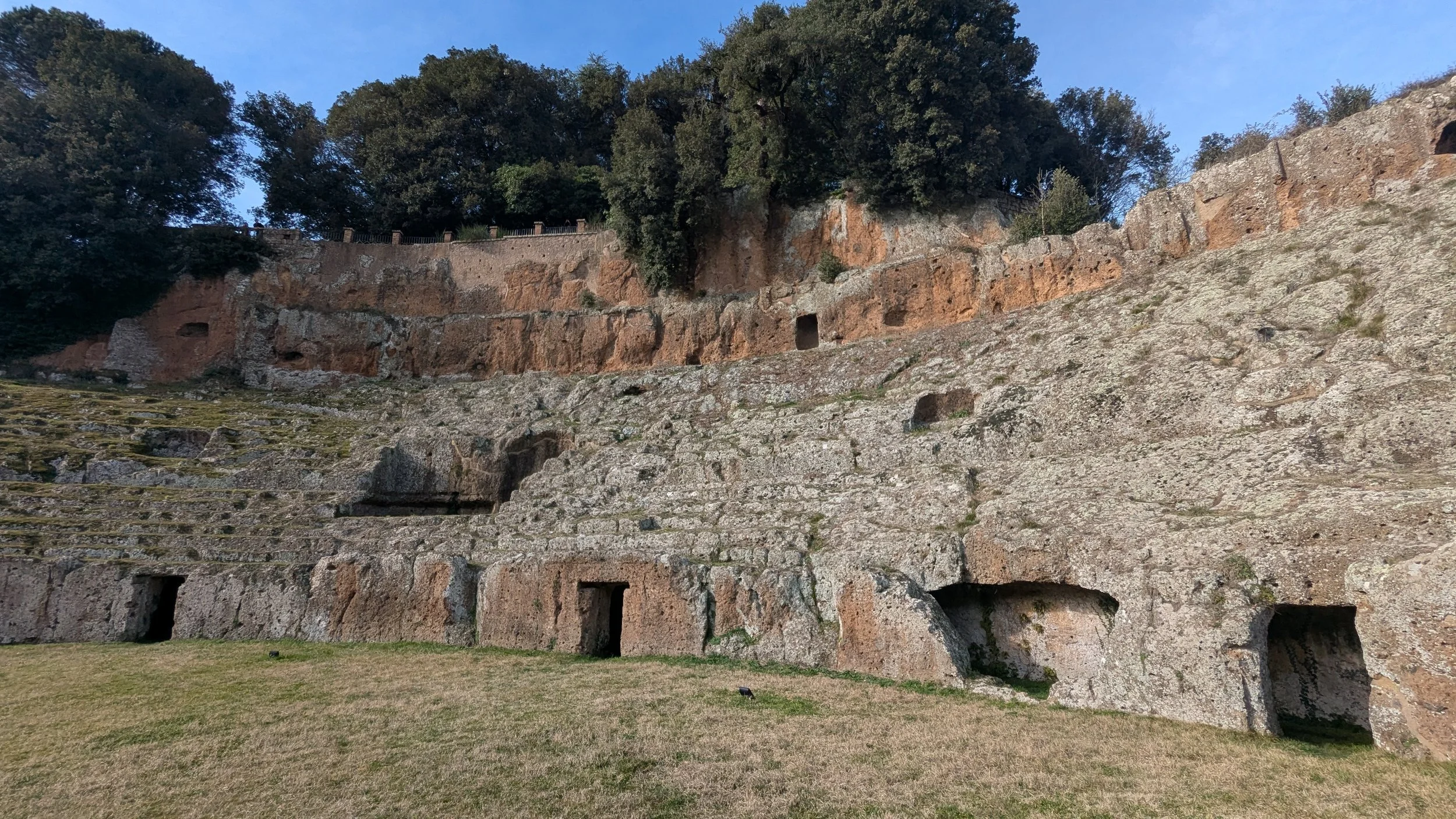
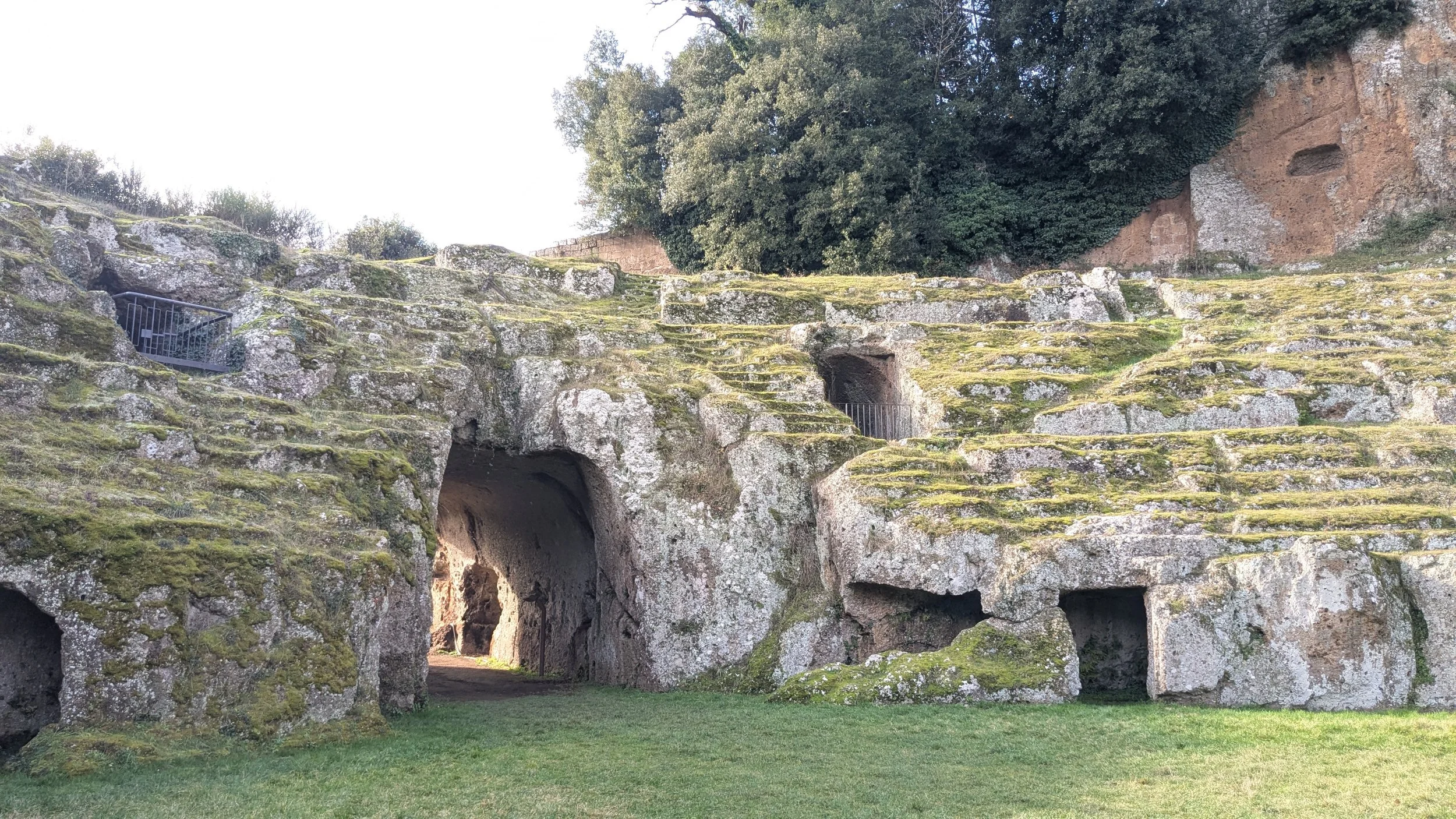
On the following day, we visited the town of Sutri, about a half-hour south of our town towards Rome. This town is famous for its Etruscan-era necropolis - hundreds of burial niches carved into the tufa cliffsides across several acres. But the main feature here is the teatro - an Etruscan-Roman theatre carved into the solid rock, well over 2000 years ago. Standing in the center of this structure is awe-inspiring, and we can imagine the crowds - the place held nearly 9000 spectators - that might have gathered here to see productions of theatrical or athletic events. (Or… Gladiator fights? Well, no, probably not.)
After this visit, we don’t know when we’ll have a chance to hang out together again. (Well, the day after tomorrow we’re going to meet up again in a town outside of Rome - but, after that, I mean.) But sharing the fun of seeing these ancient spaces with an old friend has been priceless.